Your Full Guide to Vintage Clothing: Strategies for Finding Authentic Garments
The landscape of retro fashion delivers a remarkable melding of tradition and aesthetic. Each article embodies its own tale, displaying the societal nuances of its period. Discovering authentic finds, yet, necessitates understanding and diligence. From spotting superior fabrics to grasping multiple fashion eras, the undertaking can prove both satisfying and taxing. As buffs hunt for enduring fashion basics, they must equally factor in how to safeguard their vintage discoveries for the long term. What key insights remain available to those keen to investigate this sphere?
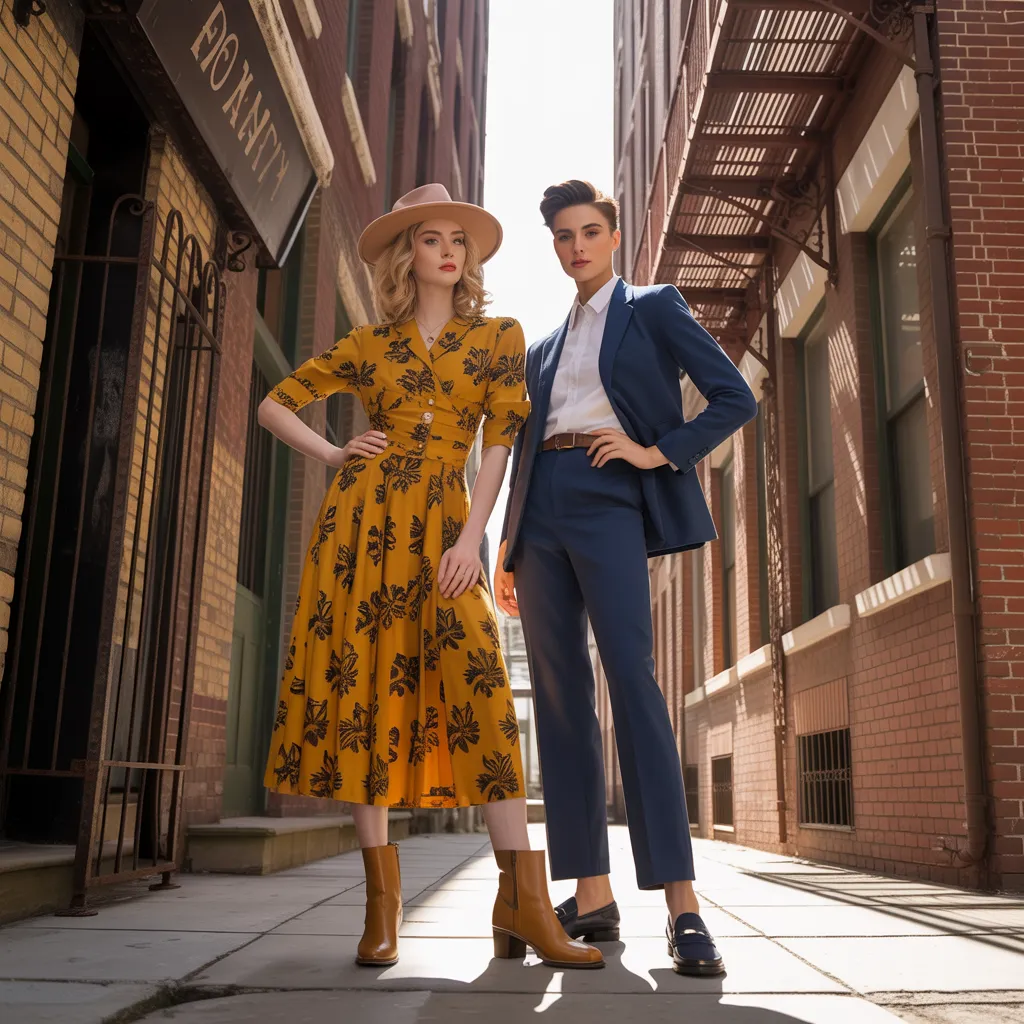
Explanations Vintage Garments Is Important
The appeal of classic garments originates from its deep heritage and historical importance. Each piece carries a story, often displaying the social dynamics, fashion trends, and craftsmanship of its time. By donning classic clothing, individuals engage with the past, celebrating eras defined by distinct styles and values. This connection fosters a sense of identity and personal expression that contemporary fashion often lacks.
Furthermore, vintage clothing promotes sustainability in an industry known for waste. Selecting pre-owned garments decreases the need for fast fashion, which is harmful to the environment. Vintage advocates promote the appreciation of prioritizing excellence rather than volume, highlighting timeless designs that transcend temporary fads.
Essentially, used garments proves valuable not only for its artistic merit but also for its role in keeping intact cultural heritage and encouraging responsible consumerism. By embracing these garments, persons fuel a broader discussion about fashion, history, and environmental consciousness.
How to Uncover Authentic Retro Items
A myriad of places exists where enthusiasts can uncover genuine vintage items, each offering distinctive treasures. Thrift stores and consignment shops serve as goldmines, often housing forgotten garments that tell stories of the past. Estate sales and auctions can produce remarkable discoveries, allowing buyers to explore entire collections curated over decades. Online marketplaces, such as Etsy and eBay, provide entry to a worldwide inventory of vintage clothing, while social media platforms often host sellers specializing in vintage fashion. Vintage fairs and pop-up markets present chances to browse curated selections from various vendors, creating a sense of community among collectors. Additionally, vintage boutiques, often located in fashionable neighborhoods, offer carefully selected pieces with a focus on quality and authenticity. Each venue presents its own charm and possibility for finding that ideal vintage item, making the hunt an integral part of the experience.
How to Determine Fine Materials and Construction?
When assessing vintage clothing, comprehending fabric composition is crucial for establishing quality. Additionally, identifying effective sewing methods and spotting labels can provide valuable insights into a piece's craftsmanship. These factors collectively enhance the ability to discern genuine antique items from inferior options.
Fabric Content Plays a Key Role
Quality materials form the foundation of vintage clothing, often determining both appearance and longevity. When evaluating fabric composition, consideration must be given to the fiber varieties, such as cotton, wool, silk, and linen. Organic materials typically indicate superior quality, providing breathability and longevity. In contrast, man-made fibers may indicate a more recent manufacturing time, potentially compromising genuineness.
Additionally, the weight of the fabric can demonstrate its quality; thicker alternatives often point to a more solid construction. Texture is also vital; a well-made vintage piece should feel substantial and opulent to the touch. Educating oneself on common compositions and fabric care can enhance the competence to spot prized pieces, making careful choices when selecting for a vintage wardrobe.
Stitching Techniques Explanation
Assessing sewing approaches reveals much about the craftsmanship of vintage clothing. High-quality garments often feature even, firm stitches that demonstrate skillful construction. When inspecting seams, one should look for a steady thread tension and absence of fraying. Double-stitched or reinforced areas indicate durability, while hand-stitched details can suggest higher craftsmanship. Additionally, the type of stitch—such as straight, zigzag, or overlock—can provide insights into the garment's intended use and age. Edges finished with clean hems or bias tape suggest meticulous attention to detail. Finally, reviewing the overall alignment of patterns and motifs can further confirm authenticity, as misaligned prints may signal a less reputable piece.
Label Distinguishing Strategies
How can one properly judge the quality of vintage clothing through its labels? First, examining the label can show the brand's background and era. Recognized labels often mean top craftsmanship. Next, checking the fabric content is important; natural fibers like silk, wool, and cotton usually mean better quality as opposed to synthetic alternatives. Additionally, the label’s care instructions can provide insights into the garment’s durability.
Construction aspects, such as seam quality and the inclusion of interfacing, improve the assessment; properly made pieces tend to last longer. Finally, vintage labels themselves can serve as markers of genuineness. By merging these elements, one can make knowledgeable choices when selecting antique garments that stands the test of time.
Identifying Antique Fashion Epochs
Several enthusiasts appreciate the charm of vintage clothing, though determining the specific style eras can be a complicated endeavor. Each era, from the 1920s flapper dresses to the 1980s power suits, showcases notable characteristics that delineate its aesthetic. Knowledge of historical framework, including fashion trends and cultural influences, is necessary for precise categorization.
The 1930s emphasized stylish outlines with bias-cut fabrics, while the 1940s brought in functional styles due to wartime restrictions. The 1960s showcased bold prints and youth-centric styles, contrasting sharply with the more conservative looks of the 1950s. The 1970s welcomed free-spirited fashions and eclectic patterns, while the 1980s favored amplified forms and vibrant colors.
Enthusiasts can improve their skills by delving into fashion history, examining garment construction, and noticing signature details. This insight not only deepens appreciation but also facilitates in selecting a wardrobe that truly conveys the charm of each vintage era.
Interested in negotiating prices at Vintage Shops?
When interacting with shop owners, a friendly demeanor can create a positive atmosphere. Shoppers may start by praising the items before offering their asking price. Pointing out any flaws or wear-and-tear can support a lower offer, but it's important to stay courteous and willing to negotiate.
Creating a bundle deal for multiple items can also facilitate a better price. Ultimately, successful negotiation copyrights on the ability to juggle assertiveness with respect, ensuring that both parties are pleased with the outcome. With dedication, purchasers can enhance their skills and obtain secondhand treasures more affordable.
How to Maintain Your Vintage Finds Looking Great
Maintain vintage clothing's grace and magnetism by providing proper care and attention. Maintaining durability necessitates adhering to specific cleaning methods. Hand washing with gentle detergents and cool temperatures is commonly recommended, helping to protect against textile harm. For delicate items, professional cleaning is recommended, but be sure to confirm the cleaner possesses experience with vintage textiles.
Storage remains equally important. Clothing should be positioned on padded hangers or arranged in acid-free tissue paper to avoid wrinkles. Keeping items in a cold, dark location protects them from fading and deterioration caused by sunlight.
Regular inspections for indicators of wear or pests can help resolve issues before they escalate. When wearing vintage pieces, avoid heavy jewelry that could snag fabrics and be mindful of exposure to severe conditions. With these practices, vintage finds can stay vibrant and usable for many years ahead.
Key Vintage Pieces for a Flexible Clothing
constructing a versatile wardrobe involves selecting certain vintage pieces renowned for their timeless appeal and versatility. A denim jacket, a classic little black dress, and a vintage leather handbag function as foundational items, effortlessly shifting from casual to formal settings. These key pieces not only enhance personal style but also showcase the enduring charm of vintage fashion.
Classic Denim Jackets
Denim jackets have evolved over the years, yet their enduring appeal makes them a staple in every flexible wardrobe. Vintage denim jackets, especially those from the 1970s and 1980s, typically showcase special finishes, aged fabric, and distinctive stitching that enhance their appeal. They can effortlessly shift from informal to dressy occasions, complementing everything from dresses to cargo pants. With a enduring aesthetic, they offer endless styling possibilities, ensuring they remain relevant through the seasons. In addition, true vintage selections often provide a more green alternative when compared to fast fashion. Collectors seek jackets from reputable brands, which not only add style but also worth, making them a worthwhile investment for those aiming to assemble a stylish collection.
Iconic Little Black Dress
The elegant little black dress (LBD) acts as a cornerstone of timeless fashion, much like the classic denim jacket. Originating in the 1920s, this versatile piece transcends trends and occasions. Crafted from various materials, including silk, chiffon, and lace, the LBD can effortlessly shift from laid-back to formal settings. When looking for authentic vintage options, look for fine stitching, distinctive features, and signature labels. Options may differ, from close-fitting cuts to relaxed A-lines, catering to diverse body types and personal preferences. Pairing the LBD with statement accessories or layering pieces can amplify its adaptability, making it an essential addition to any vintage wardrobe. At its core, the little black dress represents elegance and simplicity, ensuring its timeless appeal across generations.
Vintage Leather Handbags
Vintage leather handbags act as essential accessories that enhance any wardrobe with their timeless elegance and functionality. These bags, often crafted from high-quality materials, display unique designs that represent various fashion eras, making them adaptable for both casual and formal occasions. When selecting a vintage leather handbag, authenticity is crucial; discerning buyers should examine brand markings, hardware quality, and stitching details. Popular styles include structured satchels, crossbody bags, and clutches, each offering distinct charm. Condition matters as well—well-maintained bags can survive the test of time, while signs of wear may indicate a story worth telling. By adding a vintage leather handbag read the full story into one's collection, individuals can easily improve their personal style while adopting sustainable fashion choices.
Regularly Sought Questions
How can I calculate the value of my classic clothing?
To determine the monetary worth of vintage clothing, one should explore like pieces online, factor in brand prestige, evaluate condition, and consult valuers or vintage experts for exact valuation based on market demand and exclusivity.
Is Vintage Clothing Capable of Being Changed for an Enhanced Fit?
Vintage clothing can genuinely be altered for an better fit. Tailors commonly adjust seams, hemlines, and other details, maintaining the garment's integrity while enhancing comfort and style, making it more wearable for contemporary fashion.
What Are the Best Online Platforms for Buying Vintage Products?
The most excellent websites for buying vintage clothing include Etsy, eBay, Depop, and copyright. Each delivers a varied collection, permitting shoppers to discover original pieces that suit their style and budget successfully.
How do I spot if a vintage piece is actually a reproduction?
One should inspect labels, stitching, fabric quality, and construction methods to identify a vintage reproduction piece. Additionally, researching the era's specific characteristics can help determine authenticity, separating authentic pieces from modern imitations.
Are There Particular Brands Known for High-Quality Vintage Items?
Certain brands, such as Chanel, Dior, and Levi's, are renowned for their high-quality vintage items. Collectors often pursue these labels, as they represent craftsmanship and timeless style, making them coveted in the vintage market.